
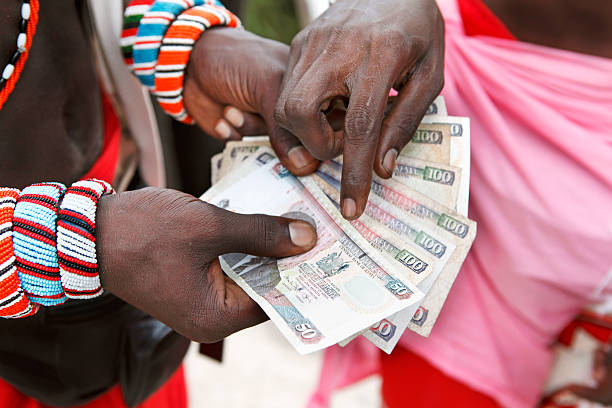
Learn how Kenyan men can master budgeting, grow savings, and stay financially disciplined in 2025. Real talk, real tools, real impact.
Let’s be honest—money management isn’t taught in most Kenyan schools, yet it’s a survival skill every man needs. Whether you live in Nairobi, Mombasa, Kisumu, or anywhere in between, financial discipline can be the difference between just surviving and actually thriving. With rising costs of living, especially fuel, rent, and unga, Kenyan men must now budget smartly to secure their future and provide for their families.
Here’s a no-fluff, practical guide on how to budget like a boss in Kenya—without feeling broke or stressed.
1. Track Every Shilling You Spend
You can’t manage what you don’t measure. Start by understanding where your money goes.
- Keep a daily log of expenses, even that KSh 50 Smokie-Mayai or M-Pesa withdrawal fee.
- Use apps like Monefy, Spendee, or even Google Sheets to track your spending.
- Alternatively, go old-school with a notebook.
Tip: Review your week every Sunday—see what’s draining your cash. You’ll be shocked how much goes to airtime, fast food, or betting.
2. Create a Realistic Monthly Budget
Budgeting isn’t about restriction—it’s about control. Start by listing your monthly income (salary, side hustle, etc.), then plan your spending.
Typical Kenyan budget structure:
- 30% – Rent (e.g., KSh 15,000 in Nairobi’s Umoja)
- 20% – Food & groceries (Toi Market, Quickmart)
- 10% – Transport (Matatu, Boda Boda, fuel)
- 10% – Savings
- 10% – Debt repayment (loans, Fuliza, Hustler Fund)
- 20% – Personal needs (airtime, grooming, emergencies)
Tip: Use the 50/30/20 rule if your income varies: 50% for needs, 30% for wants, 20% for savings/debt.
3. Cut Unnecessary Spending Like a Pro
Budgeting means saying no to things that don’t add value. Here’s where most Kenyan men overspend:
- Eating out daily instead of meal prepping.
- Impulse buying on Jumia or Kilimall.
- Weekend hangouts every Friday-Sunday.
- Gambling (yes, even “small bets”).
Ask yourself: Is this a need or a want? Choose wisely.
4. Automate Your Savings
Don’t save what’s left after spending—spend what’s left after saving.
- Open a separate mobile money wallet or bank account just for savings.
- Automate standing orders or create a scheduled reminder.
- Use Chamas or SACCOs for group savings with accountability.
Popular Kenyan options: M-Shwari Lock Savings, Co-op Bank Haba na Haba, or mobile savings apps like Chumz.
5. Start a Simple Side Hustle
If your budget is tight, increase your income instead of stressing over every coin. In Kenya today, side hustles are normal and necessary.
Try:
- Mitumba selling
- Online writing or transcription
- Mobile barbering
- Urban farming (spinach, sukuma wiki)
Use extra income to build an emergency fund, invest, or pay off debt faster.
6. Have a Financial Goal and Timeline
Budgeting is easier when it’s tied to a goal. What are you working towards?
- New laptop for freelance work?
- Deposit for a plot in Juja?
- School fees or wedding expenses?
Set a clear amount and deadline, then work backwards. Even KSh 100 a day adds up over time.
7. Avoid the Trap of Lifestyle Inflation
Getting a raise? Starting a new business? Congrats—but don’t blow it all upgrading your lifestyle.
- Avoid unnecessary car loans or apartment upgrades just to impress.
- Stay grounded and live below your means.
- Invest the surplus or use it to clear debt.
Remember, wealth is built in silence.
Budgeting isn’t just about crunching numbers—it’s about taking control of your future. Whether you’re a student in Eldoret, a boda rider in Kisii, or a corporate guy in Upper Hill, learning to budget like a boss is your ticket to financial freedom.
Start small, stay consistent, and level up one month at a time.



