
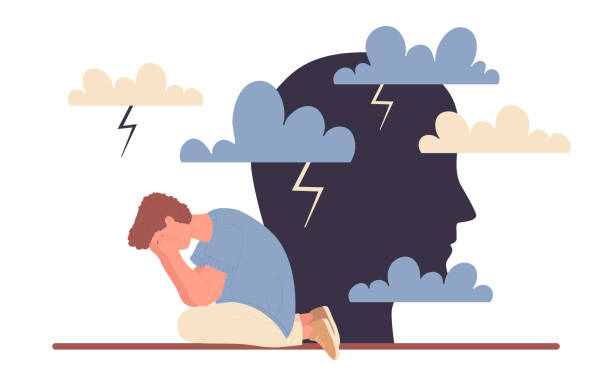
The image of the man as the unshakable provider — stoic, stable, and financially unbreakable — has been embedded in cultural consciousness for generations. It’s a role many men accept, some with pride, but it’s also a burden many bear in silence. Today, the pressure to provide is proving to be one of the most devastating, yet invisible, contributors to the decline in men’s mental health — and it’s killing far too many, literally and emotionally.
The Silent Epidemic
According to the World Health Organization, nearly 800,000 people die by suicide every year, and men are nearly twice as likely as women to die by suicide globally. In countries like the United States and the United Kingdom, men account for three out of every four suicides (Centers for Disease Control and Prevention, 2022; Office for National Statistics UK, 2021).
Financial stress — often tied to the perceived need to provide — is a major driver. A 2023 study published in The Lancet Psychiatry found that economic hardship and job instability were strongly correlated with increased risk of depression and suicidal ideation in men. Yet despite these glaring numbers, the conversation around male mental health remains muffled beneath traditional gender norms.
The Weight of Expectations
In many households, even in modern dual-income families, there remains a subconscious expectation for men to carry the financial torch. When that torch flickers — whether due to job loss, debt, underemployment, or rising living costs — the weight of perceived failure can be crushing.
“Men are conditioned to associate self-worth with financial success,” says Dr. Ronald Levant, a psychologist and former president of the American Psychological Association. “When they’re unable to meet those expectations, they often internalize the experience as shame, rather than viewing it as a societal challenge.”
This shame is compounded by a culture that still frowns upon emotional vulnerability in men. The result is emotional suppression, isolation, and sometimes self-destructive behavior.
The Cultural Trap
From playgrounds to boardrooms, men are taught to “man up,” to “tough it out,” and to never show weakness. These phrases may seem harmless, but they feed a toxic culture of silence. A report by Mental Health America shows that men are far less likely than women to seek help for mental health issues, and when they do, they often delay until crisis points.
Social media also adds pressure, with carefully curated lifestyles portraying success as material wealth and endless productivity. For men who are struggling to make ends meet, the gap between reality and expectation becomes a chasm too wide to bridge.
Redefining Provision
What if providing wasn’t only about paychecks and possessions? What if being a provider also meant offering presence, emotional support, integrity, and care?
“We need to redefine what it means to be a man,” says Justin Baldoni, actor and author of Man Enough. “True masculinity includes vulnerability. It includes asking for help. It includes saying, ‘I’m not okay.’”
More companies and advocacy groups are beginning to push this conversation forward. Campaigns like CALM (Campaign Against Living Miserably) in the UK, and Movember globally, have made significant strides in spotlighting male suicide prevention and redefining masculine norms. But systemic change still requires widespread cultural participation.
Where Do We Go from Here?
Normalize help-seeking behavior. Therapy isn’t weakness — it’s self-maintenance. Employers, churches, and schools can help promote this message.
Challenge outdated stereotypes. Stop glorifying emotional suppression. Start celebrating men who model balance and transparency.
Make space for conversation. Whether in friendships, homes, or media, give men permission to be real — not just strong.
Support policies that reduce financial strain. Economic stability and access to mental healthcare must go hand in hand.
Final Thoughts
The pressure to provide will always be part of life’s demands — but it should not define a man’s value or be the measure of his success. The cost of ignoring this truth is too high. Behind many strong faces are silent struggles, and behind many closed doors are men fighting invisible battles. If we truly care about men’s lives, we must tear down the lie that their worth is tied to what they earn, and start affirming the truth that their value lies in who they are — not just what they provide.
References:
- World Health Organization (2021) – Suicide Worldwide in 2019
- Centers for Disease Control and Prevention (2022) – Suicide Data and Statistics 3. Office for National Statistics, UK (2021) – Suicides in England and Wales
- Mental Health America (2023) – The State of Mental Health in America
- The Lancet Psychiatry (2023) – “Economic Distress and Depression Among Working-Age Men” 6. American Psychological Association (APA) – Dr. Ronald Levant on Masculinity and Mental Health 7. Justin Baldoni – Man Enough: Undefining My Masculinity, 2021
- CALM – Campaign Against Living Miserably: https://www.thecalmzone.net 9. Movember Foundation – https://www.movember.com


